Retro Roller Skate 3D SVG Objects Review
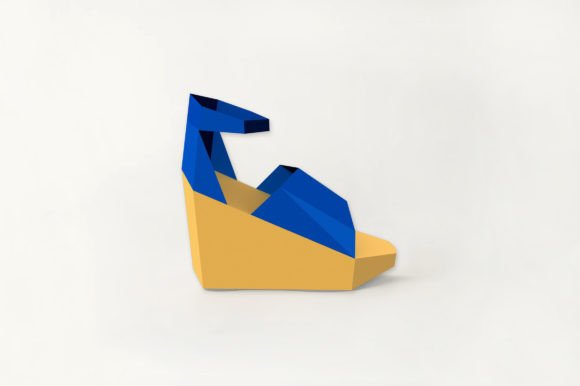
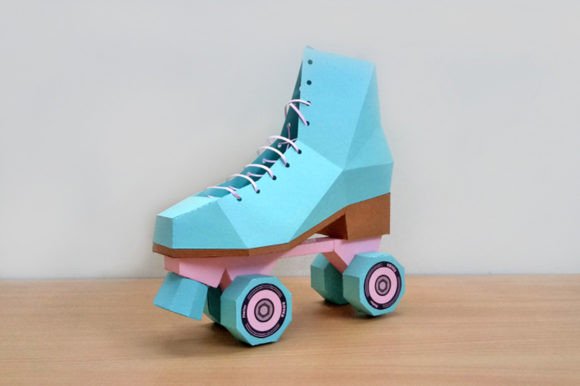
In the competitive landscape of digital publishing, visual communication is not merely decorative; it is functional. As a blog designer and digital publisher who has spent years optimizing content for readability, engagement, and conversion, I approach every graphic design asset with a critical eye. We are constantly searching for elements that elevate editorial quality without compromising load speeds or cluttering the user interface. Recently, I evaluated a unique papercraft-style illustration titled Retro Roller Skate 3D Paper Sculpture Craft. This piece, originally described as a template to construct a cool roller skate papercraft for home decoration, offers surprising utility for online content creators when adapted for digital use.
The initial impression of this asset is one of tactile nostalgia. The retro roller skate motif evokes a sense of playful movement and vintage charm. For publishers in lifestyle, parenting, fashion, or creative hobby niches, this imagery creates an immediate emotional connection. It feels less like a sterile stock photo and more like a curated editorial accent. The 3D SVG nature of the file suggests depth and dimensionality, which can help break up flat text blocks and guide the reader’s eye through complex articles. However, its application requires strategic thinking to ensure it supports rather than distracts from your core message.
Editorial Mood and Niche Alignment
When integrating any design element into a website header or article body, the mood must align with your brand identity. This roller skate sculpture leans heavily into a playful, artistic, and slightly feminine aesthetic. It is not suited for corporate finance, legal services, or serious tech journalism. Instead, it thrives in environments where creativity and personal expression are valued. It works exceptionally well for small business branding in the craft industry, children’s education platforms, or lifestyle blogs focused on family activities and vintage trends.
The "Objects" category classification indicates that this is a standalone graphic element. In web design terms, this means it functions best as an icon, a decorative border, or a featured image component. Its clean lines and distinct shape make it versatile for visual hierarchy purposes. You can use it to highlight specific sections of a post, such as a "DIY Projects" sidebar or a "Weekend Activities" recommendation box. The retro vibe adds character, helping your content stand out in a feed filled with generic photography.
Real-World Publishing Applications
Translating a physical papercraft concept into digital assets opens up numerous opportunities for content marketing. Here is how I recommend utilizing this asset across various publishing channels:
- Pinterest Pins and Social Media Graphics: The bold, colorful potential of a 3D papercraft style performs well on visual discovery engines. Use this image as the background or focal point for pins promoting DIY tutorials, party planning guides, or vintage fashion lookbooks. The unique shape naturally draws attention in a crowded grid.
- Blog Featured Images and Headers: For articles related to crafting, retro culture, or family fun, this asset can serve as a custom thumbnail. Ensure you pair it with ample negative space so your headline remains readable. It adds a layer of professionalism that says, "This content was designed with care."
- Digital Guides and Lead Magnets: If you are creating a downloadable PDF, such as a "Ultimate Guide to Vintage Crafts" or a printable activity sheet for kids, this illustration can act as the cover art or internal chapter divider. It transforms a simple document into a branded digital product.
- Newsletter Banners: Email open rates depend heavily on subject lines and preview text, but the body design retains subscribers. A subtle use of this skate sculpture in the footer or as a section separator can reinforce your brand’s playful tone without overwhelming the text.
- Affiliate Marketing Content: For bloggers earning revenue through affiliate links, trust is paramount. High-quality, custom visuals signal authority. Using this asset alongside reviews of craft supplies or retro-themed products enhances the perceived value of your recommendations.
Impact on Content Performance
Investing time in high-quality design assets directly influences key performance indicators. By incorporating a distinctive element like this 3D SVG, you improve several aspects of your site’s UX:
- Stronger First Impression: Visitors form an opinion about your site’s credibility within seconds. A cohesive visual system, even if it includes playful elements, suggests attention to detail.
- Better Click-Through Potential: Unique images stand out in social feeds and search results. While stock photos blend together, a custom papercraft-style graphic invites curiosity.
- Improved Reader Trust: Consistency in branding builds familiarity. When readers recognize your visual style across Pinterest, email, and your blog, they are more likely to engage deeply with your content.
- Professional-Looking Content Pages: Even simple edits, like using this asset as a bullet point alternative, elevate the overall polish of your editorial layout.
Strategic Placement and Limitations
While this asset is versatile, it is not a universal solution. There are specific contexts where caution is advised. Avoid placing this graphic in small mobile thumbnails where detail may be lost. Similarly, do not use it as the primary visual for text-heavy blog images where legibility is compromised by busy backgrounds. If your website utilizes a very minimal visual system or targets a serious professional niche, this playful element may clash with your established tone.
Furthermore, consider the contrast and readability. Since this is a 3D representation, it likely contains shadows and highlights. Test it against both light and dark backgrounds to ensure it does not vibrate visually or obscure important information. It should complement your typography, not compete with it.
Practical Publisher Notes for Implementation
Before adding this asset to your production workflow, keep these technical and strategic checks in mind:
- Test Across Devices: Preview the image on desktop, tablet, and mobile screens. Ensure it scales correctly and does not distort the layout.
- Check Thumbnail Visibility: Shrink the image to the size of a blog thumbnail. Does the roller skate shape remain recognizable? If not, simplify the usage or add a solid color block behind it.
- Font Pairing: Experiment with different typefaces. This asset pairs well with serif fonts for a classic look, sans-serif fonts for modern clarity, or script fonts for a whimsical touch. Avoid pairing it with overly decorative display fonts that create visual noise.
- File Size Optimization: Although it is an SVG, ensure the exported versions for web use are compressed properly. Large files slow down page load times, which negatively impacts SEO and user experience.
- Licensing Verification: Confirm the commercial license terms. If you are using this on monetized websites, affiliate pages, or within paid digital courses, you must have the right to use the asset commercially. Always review the terms set by the creator, Paper Amaze Digital, to avoid legal issues.
In conclusion, the Retro Roller Skate 3D Paper Sculpture Craft is more than just a digital paper model; it is a potent tool for content marketing. When used strategically, it enhances your brand identity, supports editorial design goals, and adds a layer of creative flair to your online presence. For bloggers and designers seeking to inject personality into their web design while maintaining professional standards, this asset offers a compelling blend of nostalgia and modern utility.